Six Pieces I Use, Not Just Admire: Living With Xiang Li’s Empresses
August 19, 2026 · Tripti Gore Chandorkar · 5 min read
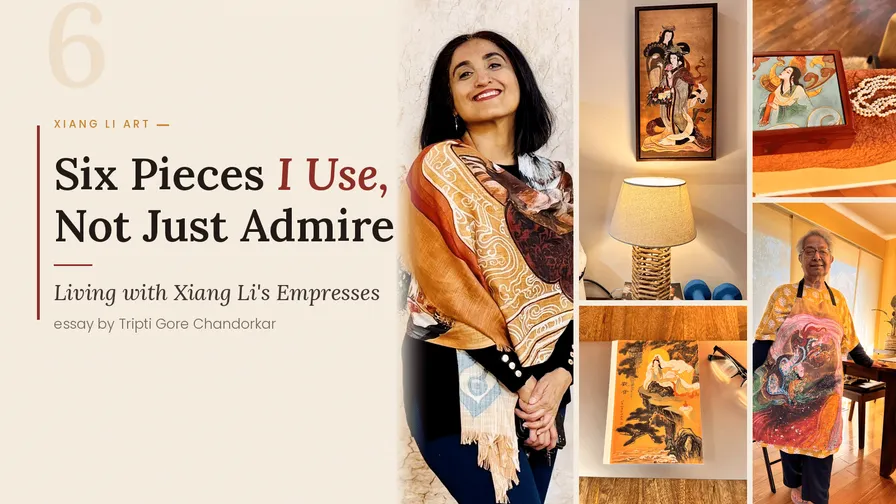
A painting behind museum glass asks to be looked at. These six ask to be opened, worn, written in, tied around a shoulder, handed to a mother on a Sunday morning. This is the part of Xiang Li’s work that has moved into my house.
I write about Xiang Li’s paintings because I love her art, and as a writer for her blog I spend most of my week looking at empresses on a screen — 200 of them, painted in watercolor on silk by an artist who spent nearly four decades restoring ancient works inside the Forbidden City. The screen flattens everything. What changed the way I see this collection was bringing a few pieces home and letting them get used.
Six of them have earned a permanent place. Here they are, in the order of my day.
On my desk, every morning
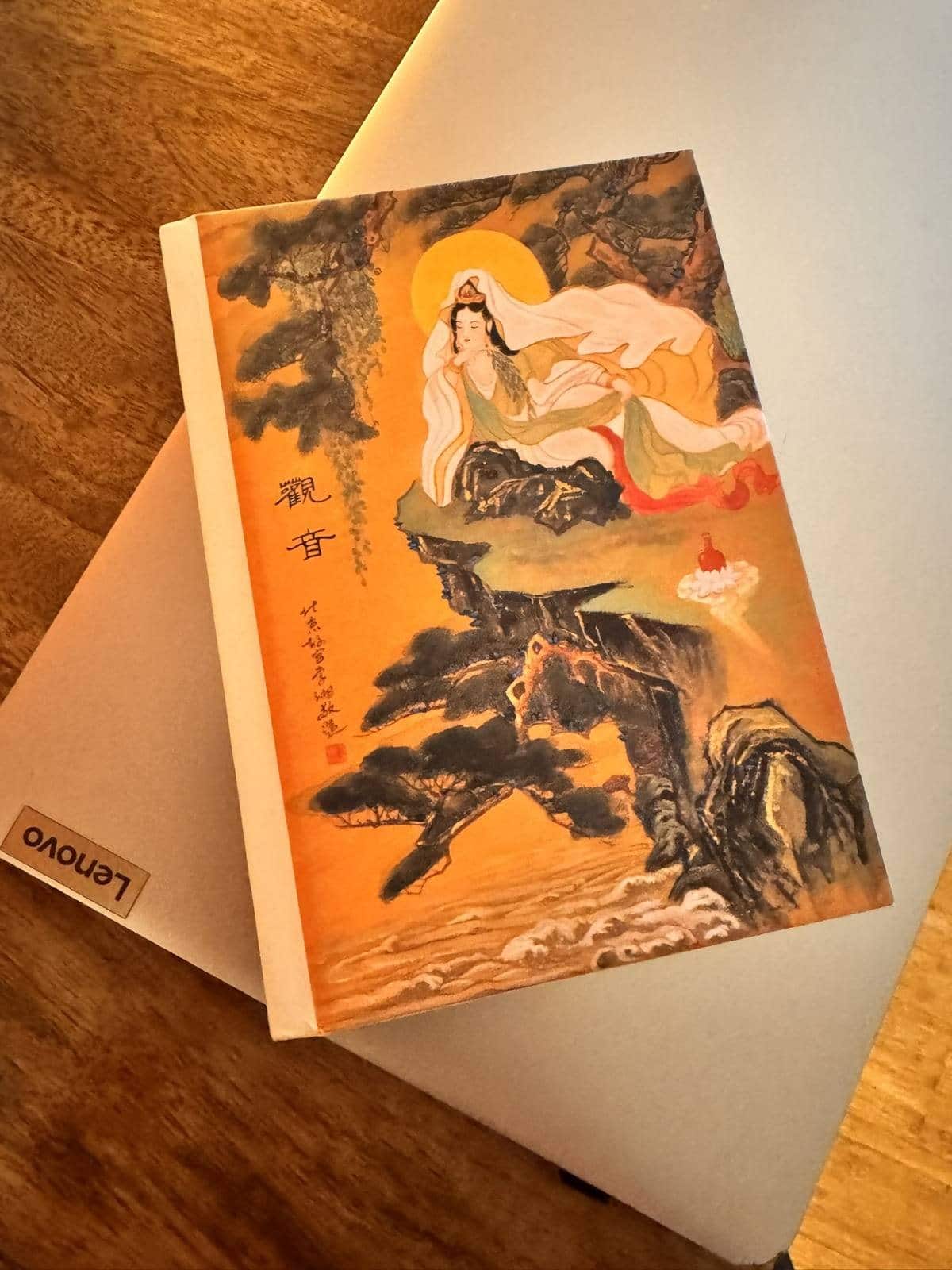
1. The Guanyin Journal
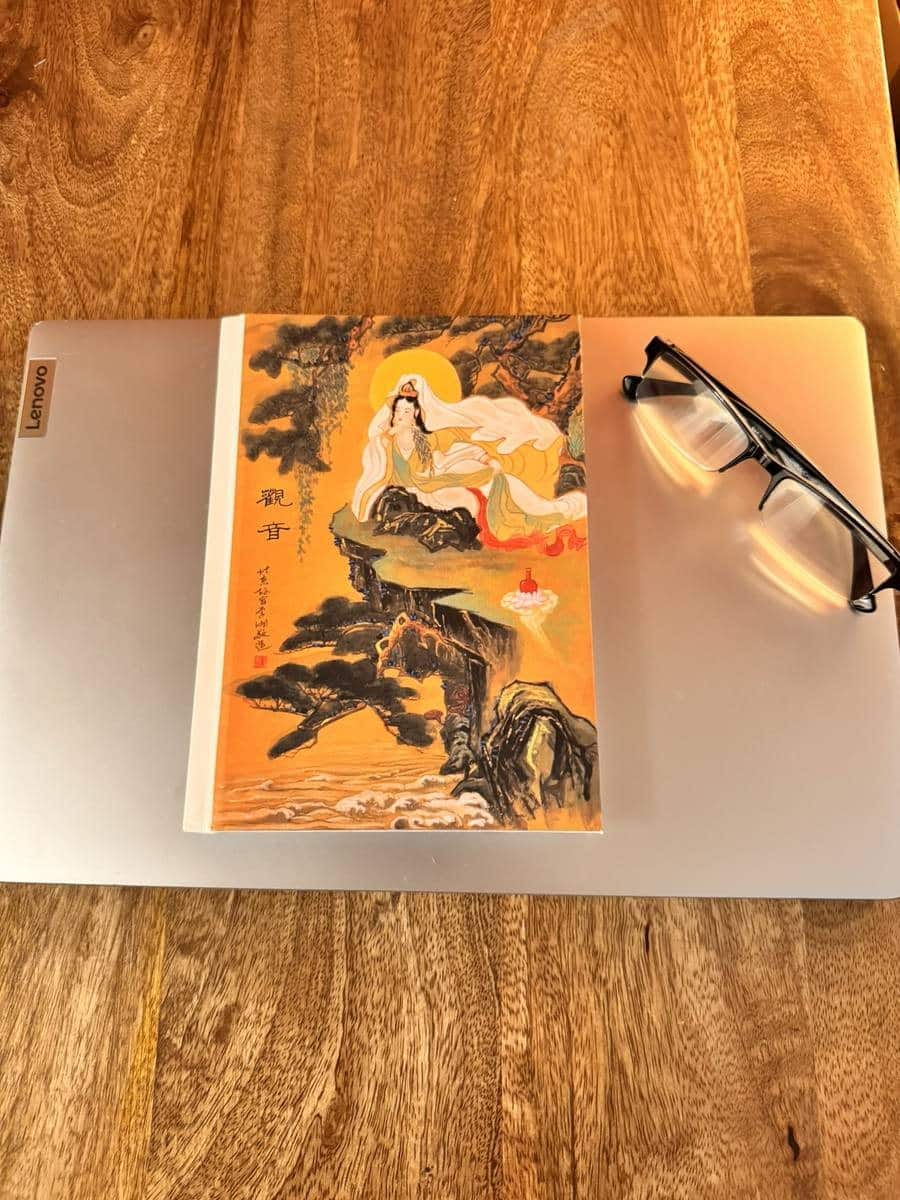
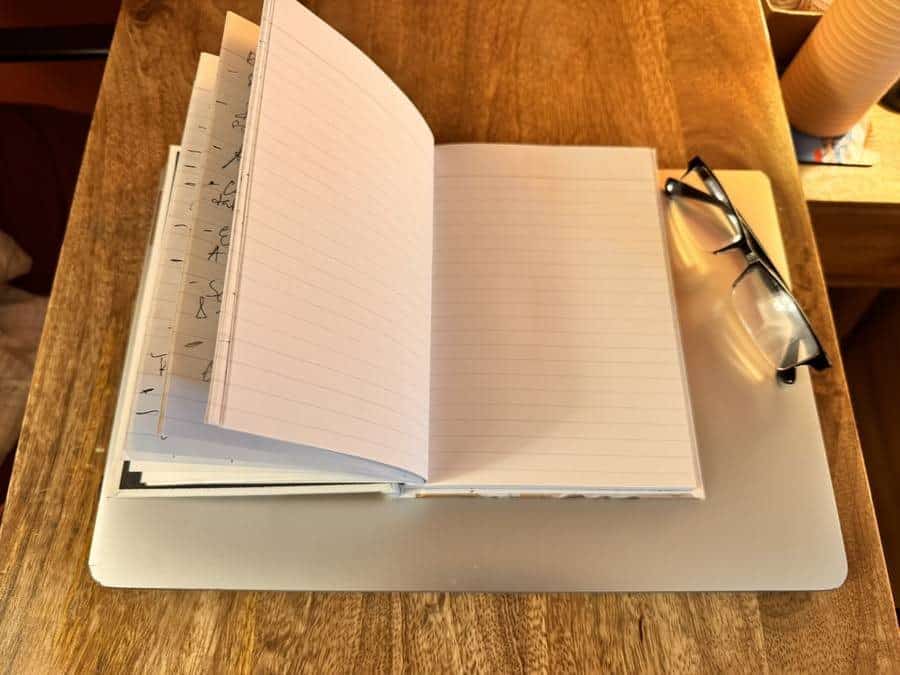
Guanyin — the bodhisattva of compassion — sits on a rock in a saffron dusk on the front cover, and again on the back, so the book is beautiful from whichever side it lands. Inside, it is plain ruled paper, which is exactly right.
This is where every special project and every article for xiangliart.com begins as a scrawled half-sentence. I have filled a good part of it now, and I like that the wear shows. A notebook you are afraid to write in is just a small painting with pages.
Around my shoulders
2. The Empress Liang Na Scarf
Of all the paintings in the collection, this is the one whose color I would defend in an argument: ochre and saffron running into deep oxblood, with white cloud-scrolls drawn over the top like breath on glass.
And then the tiger. Xiang Li uses the animal, rather than the face, to tell you who Liang Na was — a Han empress and regent who held the court together through four reigns on discipline rather than intrigue. A tiger that is watching, not pouncing. I have never worn it without someone stopping me to ask about it.


In my mother’s kitchen
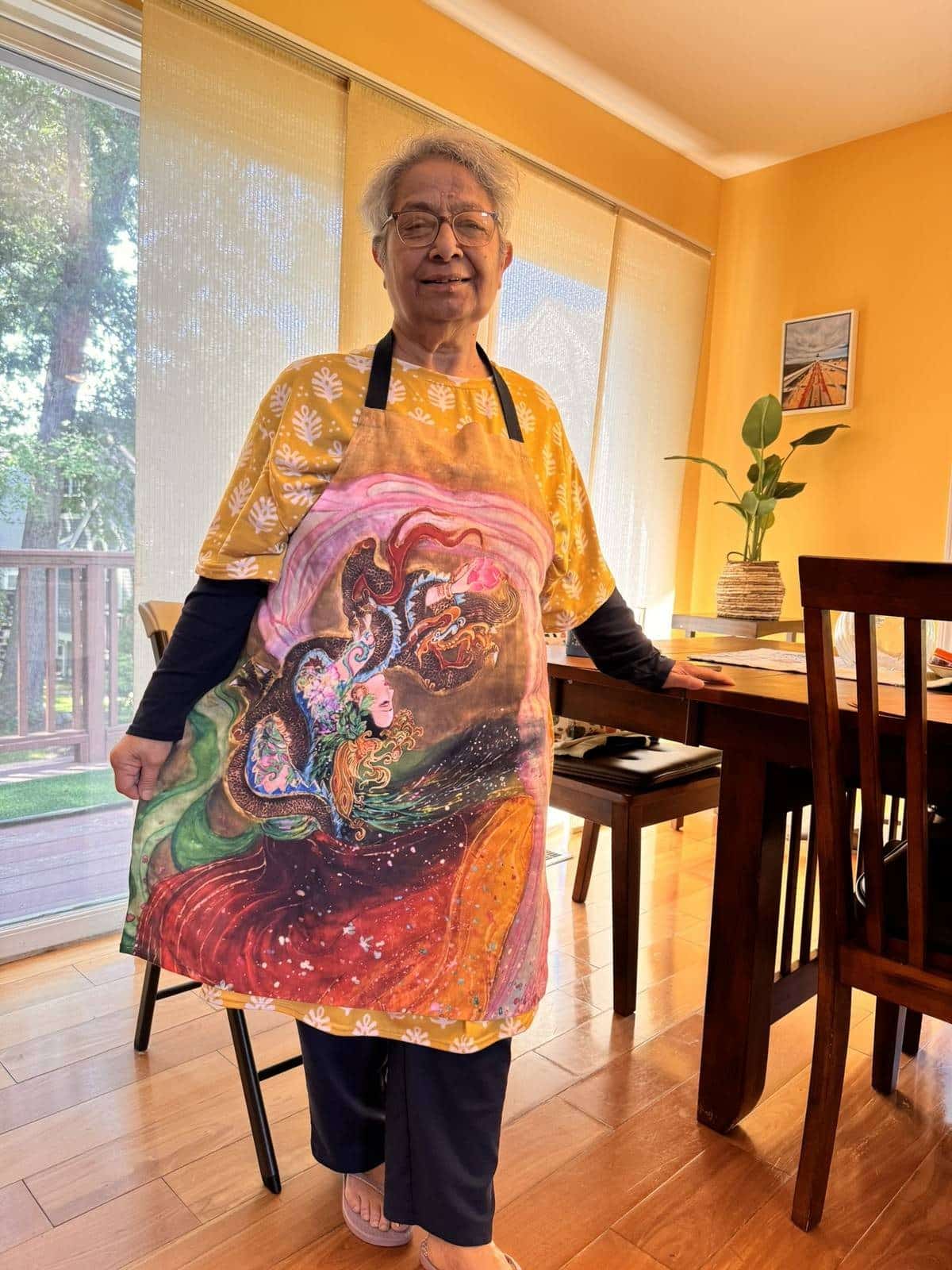
3. The Empress Li Lingrong Apron
I gave this to my mother one Mother’s Day and it has been in service ever since. The cloth is thick and generously cut — it sits well on any body — and after many washes it has neither bled color nor faded, which is more than I can say for most things in my own kitchen.
The painting shows Li Lingrong of the Eastern Jin mid-turn, her silk robes sashaying out around her in pinks and greens. There is one more reason it is precious to me: the original painting vanished from Xiang Li’s studio in China and has never been found. What we have now are the prints — which makes an apron worn on ordinary Tuesdays feel quietly like custody.
Opposite my bed
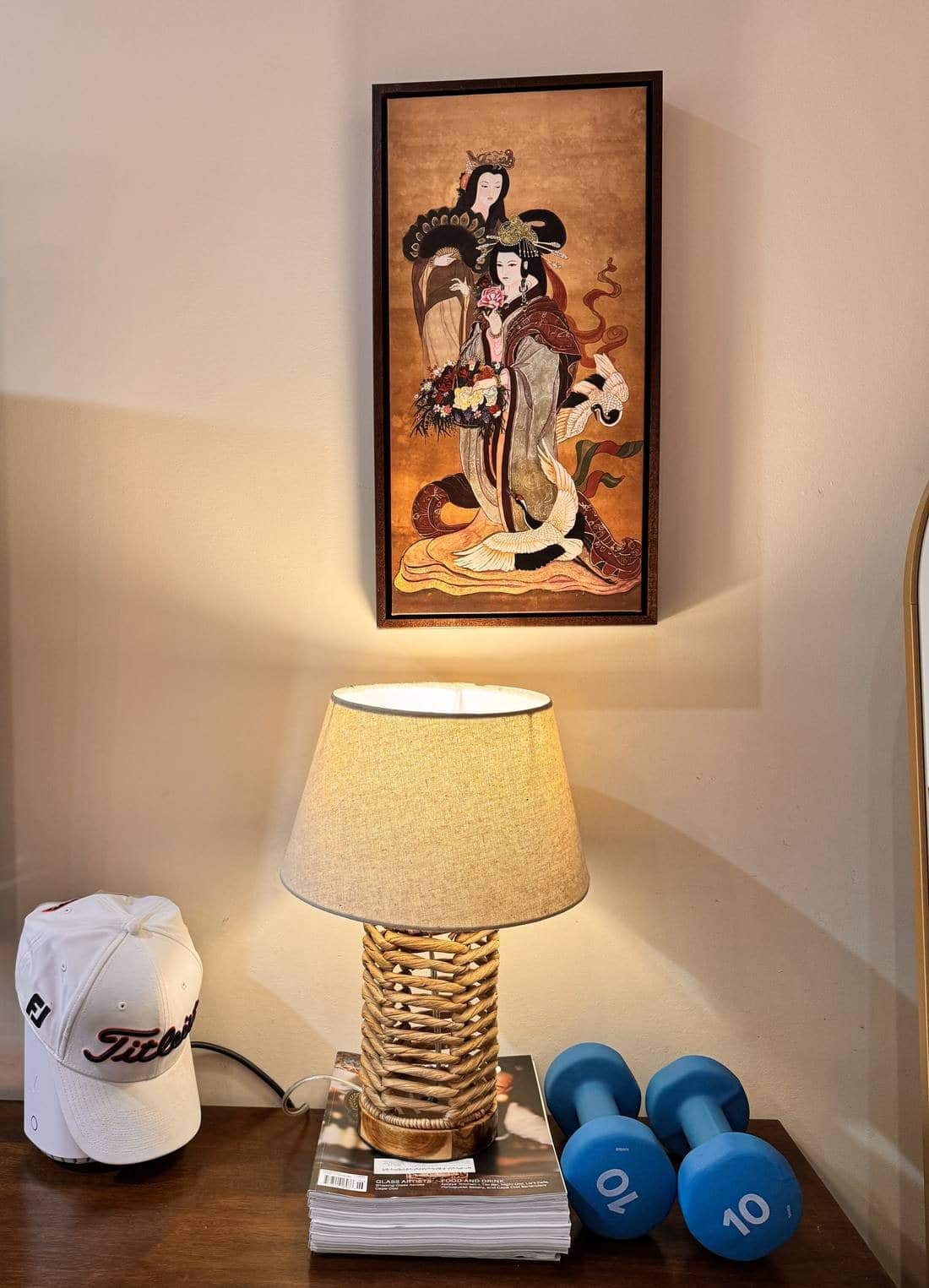
4. Empress Yin and Empress Deng Sui, on Canvas
Two empresses, two cranes, a fan of peacock feathers, a basket of flowers and a great fall of silk — and somehow none of it crowds. The composition holds itself in balance, and looking at it does the same thing to me.
I hung it on the wall facing my bed deliberately. It is the last thing I see at night and the first in the morning, which is the best possible use I can think of for a painting.
On my dressing table
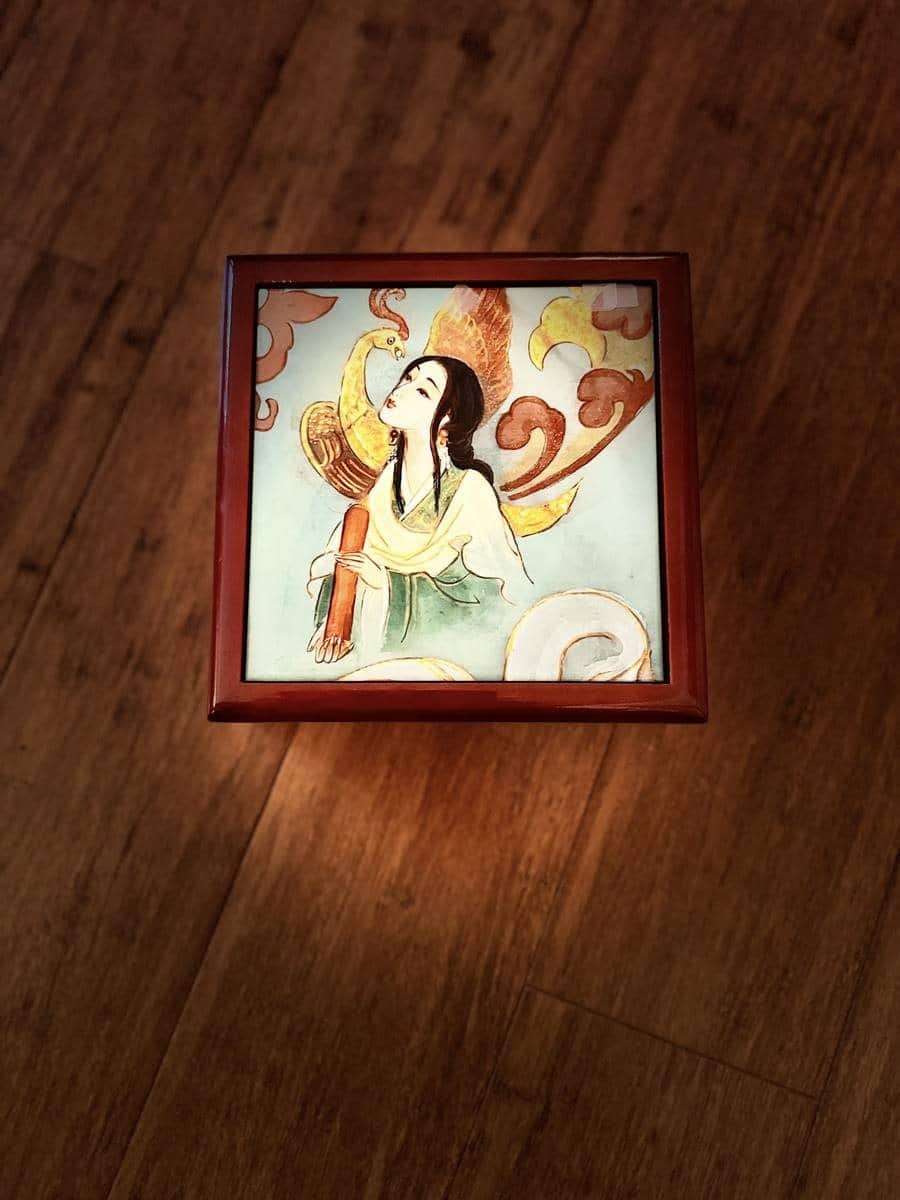
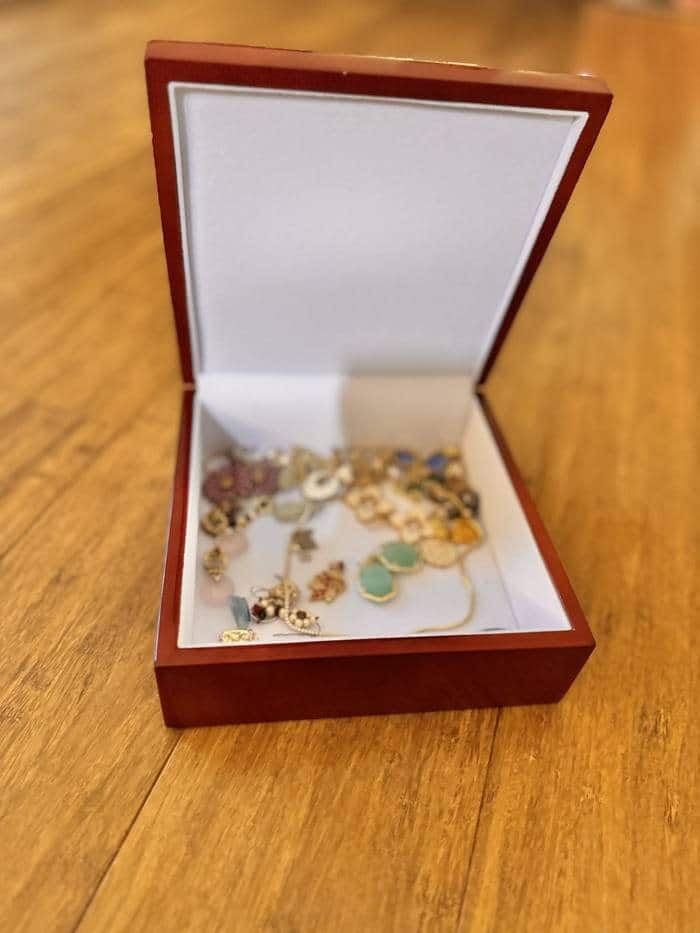
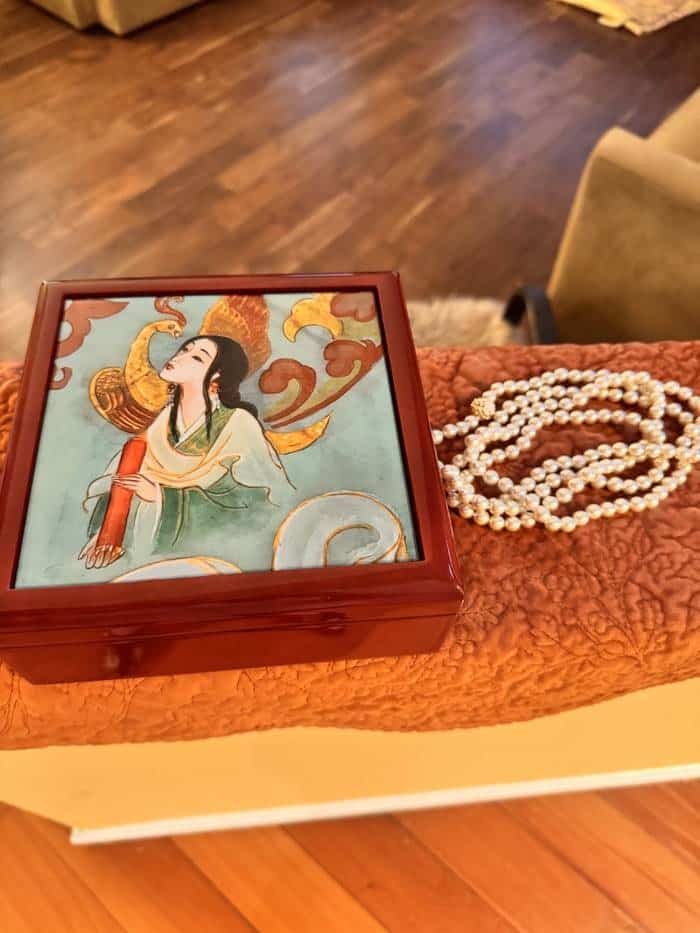
5. The Eastern Wu Empress Jewelry Box
It is properly large — earrings, bangles and chains all live in it together without a tangle — and the pale green of the painted tile is the calmest color in my bedroom. The wood is heavy, the lacquer is deep, the tile is set flush and true. Nothing about it feels like a souvenir.
The lid carries an empress of Eastern Wu, looking up past a golden phoenix. If you are buying one luxury for a dressing table, or one gift that will outlast the occasion, I would send you here first.
Not on my wall — yet
6. Empress Dowager Cixi
My favorite painting in the whole collection is one I do not own. Xiang Li’s Cixi is an imagined portrait, and it is unnervingly alive — the artist’s reading of a woman history has never managed to agree about.
It fascinated me enough that I went looking for her elsewhere and ended up in front of a very different Cixi: the early twentieth-century portrait by a Dutch-American painter that now sits in the Harvard Art Museums, ten minutes from where I live. I wrote that story here.
Two artists, a century apart, painting the same woman — and neither one of them painting the same person.
The wall art is next on my list. When it arrives, I already know which wall.

One Last Thing: Buy the Piece You Will Touch
If you are new to this collection, my advice is to skip the piece that seems most impressive and choose the one that fits your routine — the notebook you will actually fill, the apron your mother will actually wear. These paintings were made with a restorer’s patience, and they hold up to daily life better than you would expect them to.
Then come back and tell me which empress you chose. I keep a running list.
Browse the full storeWords and photographs: Tripti Gore Chandorkar, Xiang Li Art. Paintings: Xiang Li, watercolor on silk.